
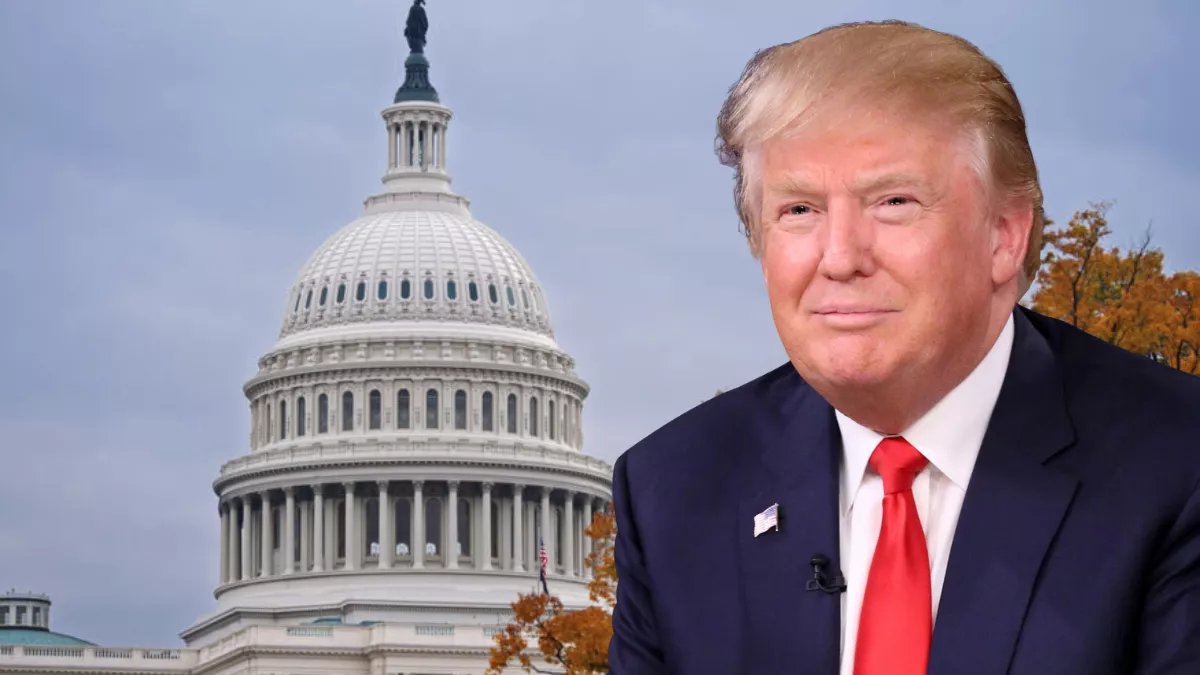
Washington, D.C. The United States is witnessing an unprecedented federal government shutdown now stretching beyond 34 days, as political gridlock in Washington shows few signs of breaking. This shutdown, which began after the failure to pass funding legislation before October 1, is poised to eclipse the previous record of 35 days set in December 2018, resulting in widespread disruption for millions of Americans and federal workers.
At the heart of this stalemate is a fierce confrontation between President Donald Trump and Senate Democrats. In recent interviews, President Trump reiterated his stance that he will not negotiate with Democrats unless the government reopens first, accusing them of wielding the shutdown as a political weapon to demand continued Affordable Care Act subsidies set to expire at year-end. “I won’t be extorted by Democrats,” Trump declared, signaling a willingness to endure a prolonged shutdown rather than concede to what he calls unrealistic demands.
Meanwhile, Senate Democrats have remained steadfast in linking government funding bills to healthcare provisions, leading to what experts call an atypical and entrenched impasse. Senate Majority Leader John Thune expressed guarded optimism that the parties might find an “off-ramp” soon but cautioned about the difficulties ahead. The disagreements have stalled billions in federal spending approximately $1.7 trillion in discretionary funding impacting numerous government operations.
The consequences of the shutdown are mounting. Roughly 42 million Americans face the risk of losing food assistance through the Supplemental Nutrition Assistance Program (SNAP), which currently operates on limited emergency funds authorized by a federal judge. However, these funds are insufficient to sustain full benefits through the month, leaving low-income families in peril. Additionally, Head Start facilities providing childcare and early education to vulnerable children are closing as federal grant payments remain withheld.
Federal employees, from air traffic controllers to Pentagon personnel, endure extended furloughs and unpaid work, raising concerns about vital national security and public safety functions. While military personnel received some pay at the end of October, officials warn their November payments may be jeopardized without a swift resolution. The shutdown has also forced delays and disruptions in regulatory reviews, government contracts, and grant funding, compounding economic and administrative challenges nationwide.
Congress faces pressure to act before the current continuing resolution funding expires on November 21. Republican leaders are contemplating extending short-term funding beyond that date, possibly into early 2026, but any move will require bipartisan agreement amidst lingering disagreements over policy priorities. The impasse could force Congress back into session after extended recesses, complicating legislative dynamics further.
This shutdown coincides with off-year gubernatorial elections in Virginia and New Jersey, where voters are closely watching how political leaders handle ongoing crises like this shutdown. Public frustration runs high as essential services remain shuttered or limited, and federal workers and contractors grapple with financial uncertainties.
While tentative discussions are underway between Senate Republicans and Democrats, no bipartisan deal has emerged yet. President Trump’s insistence on defunding negotiations until the government reopens, and Democrats’ demands for healthcare funding, continue to stall meaningful progress.
As this historic government shutdown stretches on, its human and economic costs are clear, underscoring the urgent need for political compromise to restore government functions and support millions of Americans relying on federal programs.